
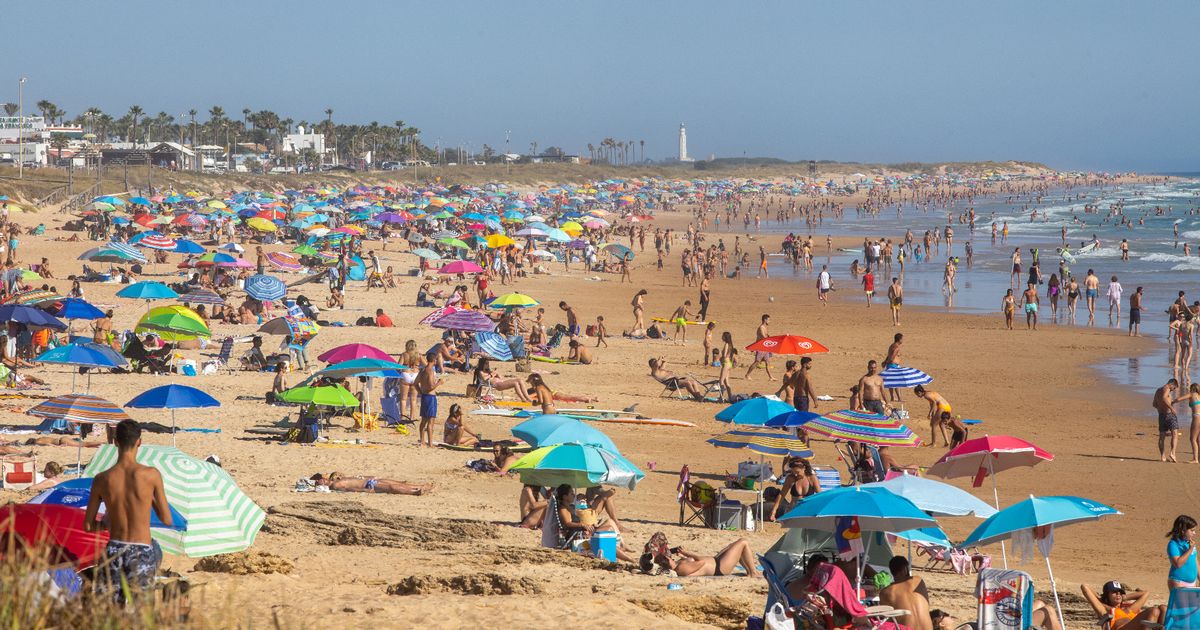
The mercury has pushed above 40C in a number of countries across Europe, including popular holiday spots in Italy, Greece, Spain and Portugal
UK holidaymakers are being warned about major heatwaves across southern Europe that have pushed temperatures above 40C in countries including Italy, Spain and Greece. Experts link the rising frequency and intensity of these heatwaves to climate change, warning that such extreme weather events are becoming increasingly common across Europe’s southern region.
Severe heat was recorded in Italy, Greece, Spain and Portugal before the weekend, with locals and tourists alike taking shelter from the sweltering conditions. Two-thirds of Portugal were on high alert on Sunday over extreme heat and wildfires, with temperatures expected to top 42C in Lisbon.
In Italy, a few regions – Lazio, Tuscany, Calabria, Puglia and Umbria – were planning to ban some outdoor work activities during the hottest hours of the day in response to the record high temperatures. Italian trade unions pushed the government to expand such measures at a national level.
On Sunday, the Italian health ministry placed 21 out of 27 monitored cities under its highest heat alert, including top holiday destinations like Rome, Milan and Naples. In Rome, tourists tried to seek shade near popular spots like the Colosseum and the Trevi Fountain, using umbrellas and drinking from public water fountains to stay cool.
Similar scenes were reported in Milan and Naples, where street vendors sold lemonade to tourists and residents to offer some refreshment from the heat. Greece was again on high wildfire alert because of extreme weather, with the first summer heat wave expected to continue throughout the weekend.
A large wildfire broke out south of Athens on Thursday, forcing evacuations and road closures near the ancient Temple of Poseidon. Strong winds spread the flames, damaging homes and sending smoke across the sky.
Experts warned that intense heat can affect daily life, especially for vulnerable populations such as the elderly and children. Local authorities advised against physical activity during the hottest hours of the day, and recommended drinking plenty of fluids.
A Lancet Public Health study published last year highlighted the increasing risk of heat-related deaths because of climate change. The study predicted that heat-related deaths could more than quadruple by mid-century under current climate policies. While more people die from cold than heat, the study stressed that rising temperatures will offset the benefits of milder winters, leading to a significant net increase in heat-related mortality.
The UK Foreign Office also has advice for travellers and alerts tourists to the possibility of wildfires in a number of European countries. For Spain, it says: “Wildfires happen often in Spain, including on the islands, during the summer months.
“Be aware of your environment when visiting or driving through woodland areas. For information on wildfire risk visit the Spanish Meteorological Office (AEMET).
“For information on what to do in the event of a wildfire, visit Civil Protection (website in Spanish). Immediately report any fire you see to the emergency services on 112. In the case of wildfires, the situation can change quickly, so you should stay up to date with official advice.”
And for Greece, the Foreign Office says: “There is a high risk of wildfires during the summer season from April to October. Ensure that your mobile phone is registered to receive emergency alerts to be warned of wildfires near your location.
“Wildfires are highly dangerous and unpredictable. The situation can change quickly.” The Government department further urges people to “be cautious if you are in or near an area affected by wildfires”.
- follow @112Greece for official updates
- follow the guidance of the emergency services
- call the Greek emergency services on 112 if you are in immediate danger
- contact your airline or travel operator who can assist you with return travel to the UK
For further information, see Greece’s Civil Protection website (in Greek).